What is Ice Cup Therapy?
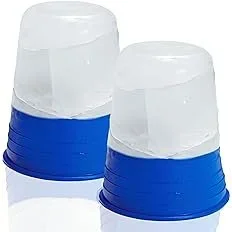
Ice Cup Therapy
Involves applying direct ice massage to a specific muscle group or joint area. Unlike static ice packs, the ice is kept in constant, gentle motion. This unique approach allows us to target tight tissues while safely managing the cold temperature on your skin, facilitating fresh circulation to the area as it warms back up.
Chill Out and Recover: The Benefits of Ice Cup Therapy for Hard-Working Muscles
When you are pushing through a tough workout or finding your footing after an everyday stumble, your body needs a localized approach to recovery. While a traditional ice pack numbs an entire area, ice cup therapy combines the powerful benefits of cold therapy with targeted massage techniques to help you bounce back faster.
Also known as cryotherapy massage, this targeted technique is an excellent, non-invasive wellness tool to soothe overworked muscles and assist the body's natural recovery processes.
How It Assists Your Wellness Goals
Soothes Localized Discomfort: Direct cold application temporarily eases minor discomfort in hard-working areas like knees, ankles, and shoulders.
Aids Post-Activity Recovery: Just like ice helps after heavy exercise, ice massage assists the body’s natural process of cooling down and calming tense muscle groups.
Supports Healthy Circulation: Moving ice over the tissue creates a localized "pump" effect—vessels constrict with the cold and widen afterward, encouraging a fresh flush of oxygen-rich blood to help tired muscles recover.
Compliments Therapeutic Bodywork: It pairs perfectly with Swedish or Deep Tissue sessions, targeting stubborn, high-friction areas without needing deep pressure.
Everyday Uses for Ice Massage
Ice massage is highly versatile and works wonders for active individuals and anyone dealing with standard physical stress:
Active Recovery Zones: Great for managing the standard physical demands placed on joints during sports or daily routines.
Everyday Joint & Muscle Fatigue: Ideal for soothing tired ankles, calves, and forearms after a long week on your feet.
Complementing Your Routine: Excellent for individuals looking to support their overall physical wellness alongside regular bodywork.
⚠️ Staying Safe: When to Use Caution ⚠️
Because ice massage is a powerful tool, it is important to ensure your body is ready for it. Cold therapy is ideal for everyday recovery, but it is not a replacement for medical care.
⚠️ If you are currently recovering from a major medical procedure, such as post-op orthopedic surgery, or managing an acute, severe injury like a diagnosed third-degree sprain, you should always check in with your primary care provider or surgeon first.
We want to ensure you have the proper medical clearance before introducing localized cold massage to your wellness routine.
⚠️Additionally, we avoid cold therapy for individuals with specific conditions like Raynaud's syndrome, circulatory issues, or localized sensory loss.
FAQ: What Does Ice Therapy Feel Like?
What exactly will my skin feel during the session?
During a localized ice massage, your skin will typically progress through four distinct sensations, often remembered by the acronym C-B-A-N:
Cold: A sudden, intense sensation of crisp cold as the ice makes direct contact.
Burning or Stinging: A brief, prickly warmth as your surface nerves react to the drop in temperature.
Aching: A mild, deep dull ache that signals the cold is penetrating down into the targeted muscle layers.
Numbness: A temporary loss of surface sensation in the immediate area. Once we reach this stage, the local discomfort is dulled, and the ice application is complete.
Will my skin stay red after the treatment?
Yes, it is completely normal for the treated skin to look pink or bright red during and immediately after the session. This flush is a healthy sign that your body is sending a sudden rush of fresh, oxygen-rich blood to the surface to warm the tissue back up. The redness typically fades within a short period after the massage.
Is the ice placed directly on the skin, and does it hurt?
The ice is applied directly to the skin, but because it is kept in constant, rhythmic motion, it doesn't create the localized "freezing" sting of a stagnant ice pack. The progression happens quickly, and we always monitor your comfort level throughout the session to ensure the process feels therapeutic and refreshing.
If you meet the conditions above, ask about adding ice therapy to your next session.